Move Freely in the Length of a Song

Discover how one-song yoga and mobility flows for flexibility can fit into busy mornings, between meetings, or right before bed. In just a few minutes, you will wake up joints, lengthen tissues, and create calm, repeatable routines that build consistency without overwhelm. Press play, breathe intentionally, and let music pace every mindful transition.

Why Tiny Sessions Deliver Big Results

Short practices remove friction, making flexibility training realistic on stressful days and sustainable over months. When effort feels approachable, you show up more often, accumulate quality reps, and teach your nervous system to trust new ranges without defensive tension. A single track becomes a ritual that compounds.

Consistency Over Marathon Practices

Skipping long sessions stops being a guilt trigger when a complete routine fits into three to five minutes. Consistency multiplies mobility gains, because joints prefer frequent movement snacks. Think brushing teeth: small, daily, never dramatic, yet unmistakably effective when you look back over weeks.

Nervous System Friendly Stretching

Brief exposures at comfortable intensity tell your brain it is safe to allow more range. Rather than forcing end-range holds, you cycle through gentle pulses, breath-led contractions, and spacious exhalations. This reduces guarding, calms the system, and encourages authentic mobility that stays available during daily life.

Designing a Flow That Fits a Single Track

Anchor your sequence to three simple phases: a quick wake-up, a focused mobility arc, and a soothing close. Use time landmarks in the song—intro, chorus, bridge—to guide transitions. Layer breath counts, gentle isometrics, and playful exploration so the minutes feel immersive and complete.

Warm Start in Thirty Seconds

Begin with diaphragmatic breathing, neck nods, and ankle circles while scanning for tightness. Sweep arms across ranges without strain, then add spinal articulation from tail to crown. Keep curiosity high and intensity low, priming joints for deeper work while the music’s opening textures invite attention.

Smooth Sequence Through Key Joints

Flow from wrists to shoulders, through thoracic spirals, hips, and ankles, linking moves by breath rather than reps. Combine controlled articular rotations, dynamic lunges, and gentle PNF contractions. Let the chorus mark your deepest ranges, always respecting comfort and returning to neutral before repeating.

Music That Guides Your Movement

Let rhythm become your metronome and melody your map. Slower tracks encourage luxuriant ranges and longer holds; brighter tempos suggest buoyant pulses. Collect three to five songs you love, spanning moods, so your practice feels fresh, emotionally resonant, and unfailingly repeatable throughout changing weeks.

Targeted Flexibility Micro-Flows

{{SECTION_SUBTITLE}}
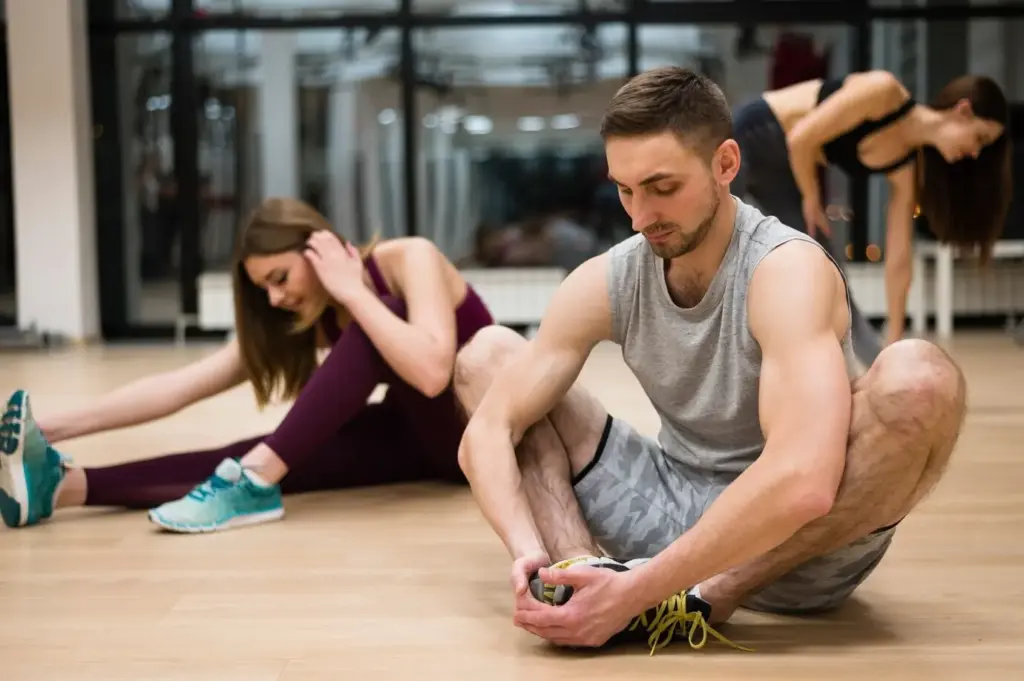
Hips and Hip Flexors in One Chorus
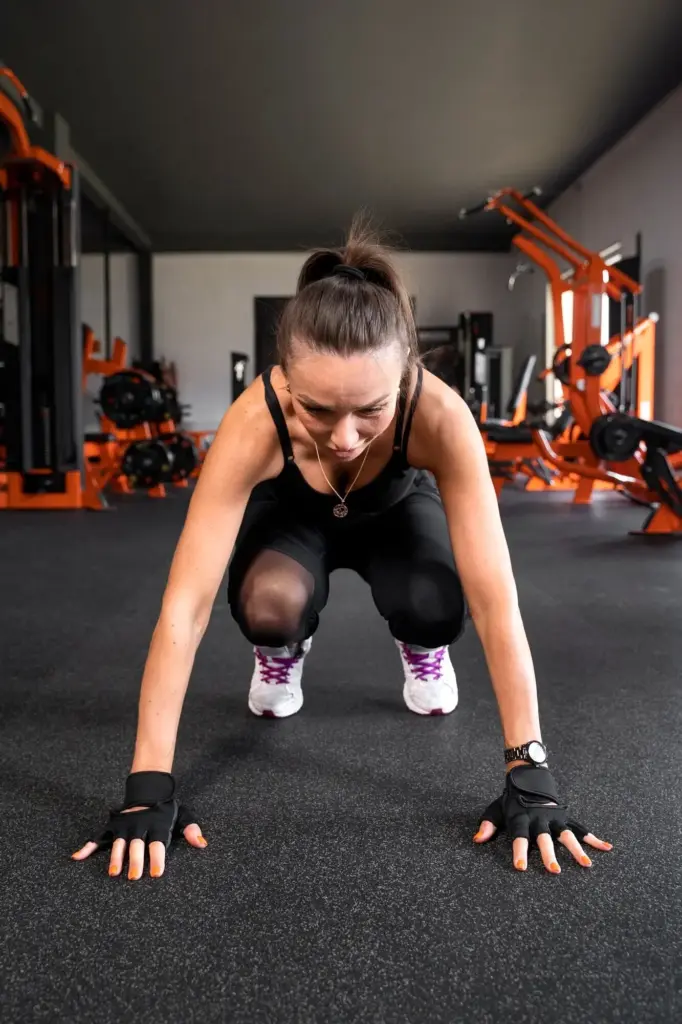
From half-kneeling lunge, tuck gently, squeeze the back glute, and float the arm overhead to bias the front of the hip. Spiral toward and away from midline with slow exhales. Add a lateral shift, then step through to external rotation, finishing with figure-four pulses.

Hamstrings and Calves Without Overstretching

Elevate the forefoot on a book, hinge from the hips, and keep the spine long. Micro-bend the knee, dorsiflex the ankle, then softly plantarflex on exhale. Cycle isometric contractions—pressing heel down—before relaxing into newfound length, preserving sensitivity while steadily increasing usable range.

Anywhere, Anytime Routines

Your micro-practice thrives in kitchens, offices, hallways, hotel rooms, and backyards. No mat required. Use a chair, wall, countertop, suitcase, or nothing at all. Adapt to the environment, listen for safety, and let daily anchors—coffee, calls, doors—cue your next three-minute reset.

Progress, Safety, and Longevity

Track how you feel, not just how far you fold. Progress shows up as less morning stiffness, smoother squats, and an easier breath. Protect joints with gradual dosing, pain-free ranges, and supportive props. Let curiosity, not ego, guide sustainable, playful improvements over time.
Choose two simple checks: a comfortable toe touch and a gentle hip external rotation sit. Test weekly under similar conditions, noting sensations, breath ease, and post-session mood. Celebrate small wins, and keep inputs consistent so improvements reflect adaptation rather than randomness or luck.
On high-stress days, shorten ranges, increase support, and breathe longer exhales. When energized, explore slightly larger arcs and sprinkle brief isometrics. Avoid numbness, tingling, and pinchy pain. Prioritize joint-friendly angles, and remember variability is strength; you are practicing options, not chasing a single perfect shape.
Fapevuvotazane
Privacy Overview

This website uses cookies so that we can provide you with the best user experience possible. Cookie information is stored in your browser and performs functions such as recognising you when you return to our website and helping our team to understand which sections of the website you find most interesting and useful.