
One Song, Full Sweat: HIIT That Fits Between Diapers and Deadlines
Why a Single Track Works Wonders
Mapping Intervals to Intros, Verses, and Choruses
Let the song’s architecture write your workout. Use the intro for gentle mobilization, focusing on ankles, hips, and shoulders. Ride verses with manageable efforts, then attack choruses with all‑out intensity. Treat bridges as resets for breathing and form checks, and let the outro glide into a calming cooldown. You’ll remember the flow quickly because the music cues do the counting. This keeps your brain free for quality movement, not timers, making consistency easier on chaotic days.
Evidence Behind Short, Hard Bouts
High‑intensity intervals, even in brief formats, can meaningfully boost aerobic capacity and metabolic health. Protocols inspired by Tabata and sprint intervals show benefits in VO₂max and time efficiency, especially when intensity is genuinely high and form remains strong. For caregivers with limited windows, this approach piles results into minutes rather than hours. Start conservatively, monitor rate of perceived exertion, and respect recovery. If pregnant, newly postpartum, or managing joint issues, scale impact and consult a professional before pushing hard.
Build Your One-Song Blueprint
Form, Safety, and Adjustments



Finding the Right BPM and Energy Curve
Motivational Hooks and Playlists You’ll Revisit
Hearing Safety Around Little Ears

Make It Fit Your Day

Dawn Dash Before the House Wakes
Place your shoes beside the kettle and cue a high‑energy but positive track. While water heats, you mobilize, push hard through one chorus, and land with deep breaths. You’ll carry alertness into breakfasts and backpack wrangling. If a child wakes early, switch to a lighter verse as a movement game and finish later. The ritual matters more than perfection. Log your song in a simple checklist, and watch mornings transform from groggy to grounded with one deliberate press of play.
Nap-Time Recharge Between Tasks
Place your shoes beside the kettle and cue a high‑energy but positive track. While water heats, you mobilize, push hard through one chorus, and land with deep breaths. You’ll carry alertness into breakfasts and backpack wrangling. If a child wakes early, switch to a lighter verse as a movement game and finish later. The ritual matters more than perfection. Log your song in a simple checklist, and watch mornings transform from groggy to grounded with one deliberate press of play.
Evening Stress Release Without Overstimulation
Place your shoes beside the kettle and cue a high‑energy but positive track. While water heats, you mobilize, push hard through one chorus, and land with deep breaths. You’ll carry alertness into breakfasts and backpack wrangling. If a child wakes early, switch to a lighter verse as a movement game and finish later. The ritual matters more than perfection. Log your song in a simple checklist, and watch mornings transform from groggy to grounded with one deliberate press of play.
One-Song HIIT Playbook
01
Beginner Flow in Under Four Minutes
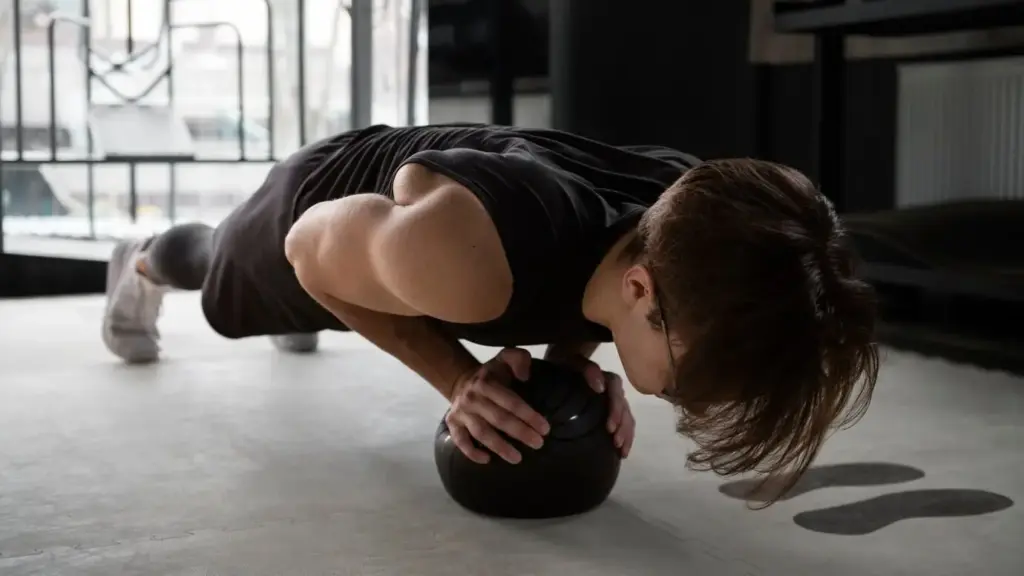
Intro: marching, arm circles, and calf raises. Verse: bodyweight squats and counter push‑ups at a calm tempo. Chorus: fast squats and high‑knee marches with powerful arm drive. Bridge: breathing and side lunges for space. Final chorus: brisk squats and gentle step‑backs. Outro: slow walk in place, shoulder rolls, and deep nasal breaths. Keep impact low, prioritize posture, and smile when the hook hits. Post your track choice and how your body felt twenty minutes afterward.
02
Intermediate Push with Power Bursts
Intro: ankle rocks, hip hinges, and scapular push‑ups. Verse one: reverse lunges and push‑ups at steady tempo. Chorus: jump squats or fast tempo squats, depending on joints. Verse two: hip hinge to backpack deadlift, then plank shoulder taps. Bridge: tall‑spine breathing and gentle marching. Final chorus: alternating split‑squat jumps or power step‑backs. Outro: walking cooldown and chest openers. Keep rhythm tight, land softly, and chase a rating of perceived exertion around seven. Report your favorite chorus cue in the comments.
03
Advanced Sprint-Ladder Caution and Glory
Intro: quick mobility, then drop into readiness. Verse: alternating lunges paired with push‑ups. Chorus: thirty to forty seconds all‑out burpees or sprawls with a jump only if joints approve. Bridge: controlled nasal breaths, tall posture, and fast marching. Next verse: explosive hinge like kettlebell swings if skilled, otherwise backpack high‑pulls. Final chorus: lunge switches or high‑velocity squats to the last beat. Outro: slow breathing and long exhales. Respect fatigue, protect form, and celebrate with water and a proud checkmark.

All Rights Reserved.